All Facts
health Facts
Add more mushrooms to your meals — your body (and taste buds) will thank you!
Nutrient Powerhouse – Tiny but mighty! Mushrooms are packed with B vitamins, minerals, and antioxidants — all with super low calories.
Immune Boosters – Shiitake & maitake mushrooms contain beta-glucans, natural compounds that help your body fight off colds & infections.
Brain Protectors – Mushrooms are rich in antioxidants like ergothioneine that help keep your brain sharp & healthy.
Heart Helpers – No fat, no cholesterol — just heart-loving fiber and nutrients that help lower bad cholesterol and support healthy circulation.
Blood Sugar Balance – Mushrooms have a low glycemic index and can help steady your energy by keeping blood sugar in check.
Natural Vitamin D Source – Did you know mushrooms can soak up sunlight? When exposed to UV light, they produce vitamin D — great for your bones & immunity!
Gut Health Heroes – Mushrooms are prebiotics that feed your good gut bacteria, supporting healthy digestion and a stronger immune system.
Anti-Inflammatory Power – Certain mushrooms like reishi and turkey tail contain compounds that help reduce inflammation in the body.
Skin Glow Support – Packed with antioxidants and vitamin D, mushrooms help protect skin from damage and promote a healthy glow.
Energy Boosters – Mushrooms like cordyceps are known to improve stamina and oxygen use — perfect for natural energy!
Cancer-Fighting Compounds – Research shows mushrooms may contain bioactive substances that can slow the growth of some cancer cells.
Mood & Mind Balance – Some mushrooms help regulate serotonin and dopamine, supporting better mood and mental clarity.
Mushrooms are 90% water and contain more protein than most vegetables, making them excellent for hydration and nutrition.
Mushrooms are the only non-animal source of vitamin D, and they can even produce more when exposed to sunlight.
nature Facts
Mushrooms remind us that everything in nature is connected — quietly working together beneath our feet.
Rainforest Guardians – In tropical forests, fungi break down leaves and dead wood, keeping the ecosystem in balance.
Tree Lifelines – Mycorrhizal fungi act like plant "roots on steroids," helping trees absorb more water and nutrients.
Moss & Fungi Friendship – In moist habitats, fungi and moss often grow together, protecting each other from drying out.
Animal Food Source – Deer, squirrels, and even insects rely on mushrooms for nutrition — fungi feed the forest!
Seasonal Magic – Autumn rains bring a burst of mushroom growth, signaling that nature's recycling season is in full swing.
Natural Dyes – Many mushrooms produce beautiful pigments used to color fabrics naturally — from golden yellows to deep blues.
The largest living organism on Earth is a honey fungus in Oregon that covers 2,385 acres and is estimated to be 2,400 years old.
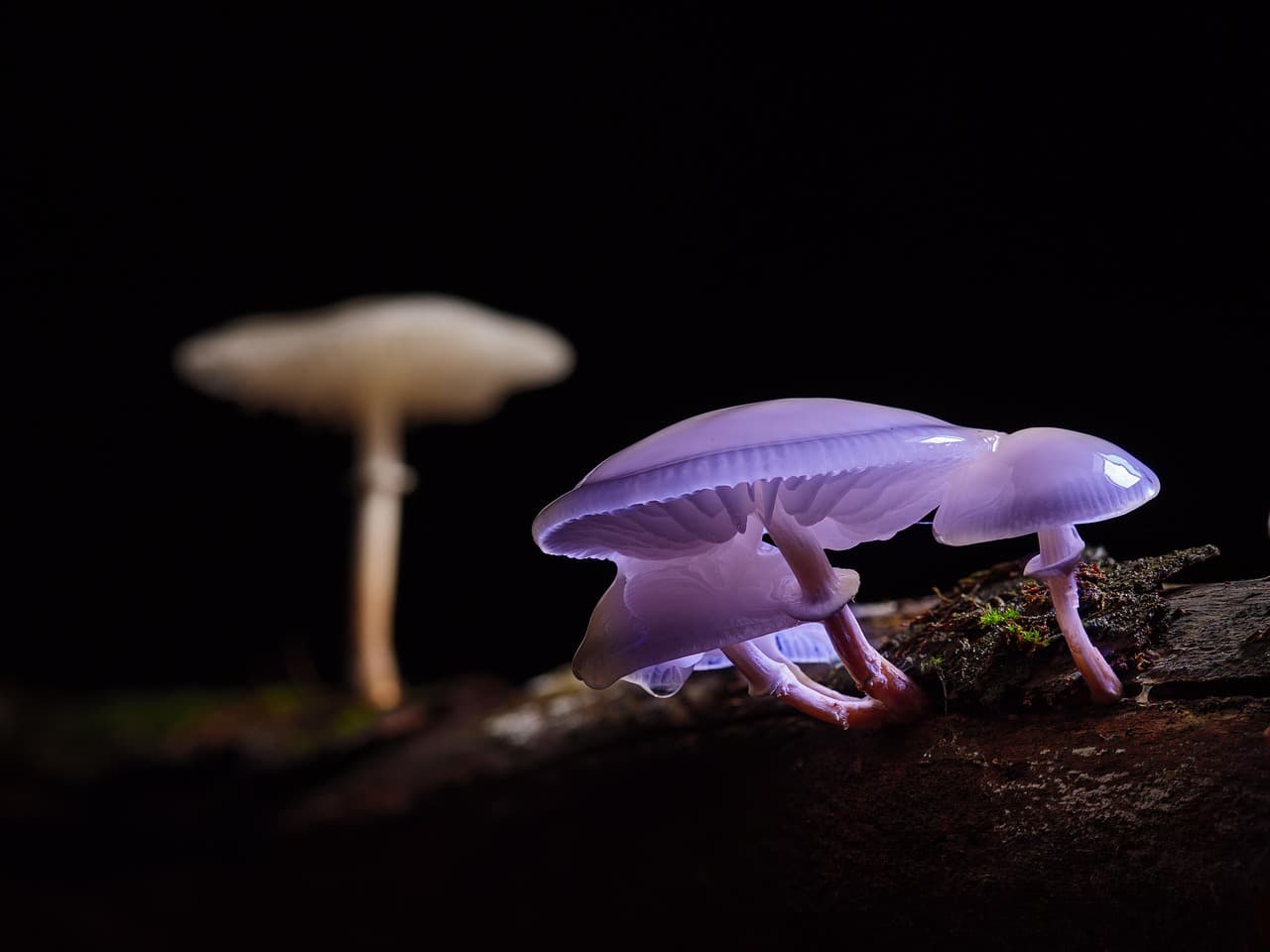
Some mushrooms can glow in the dark! This phenomenon is called bioluminescence and occurs in over 70 species.
Some mushrooms can grow at incredible speeds - the common field mushroom can grow from a tiny spore to full size in just one night!
Lion's mane is illegal to pick in the wild and can attract up to a 5000 pound fine or 6-month imprisonment.
science Facts
Fungi are fascinating — ancient, intelligent, and vital to life on Earth!
Fungal Internet Speeds – Mycelium networks can transmit electrical signals — a form of biological "data transfer"!
Spores in the Sky – Mushroom spores are so tiny they can float miles high in the atmosphere and help clouds form!
Fungi in Space – Scientists study fungi on the International Space Station to learn how life adapts in microgravity.
Oldest Fossil Fungus – Fossilized mushrooms found in Congo are over 715 million years old — older than most life forms!
Mushroom Batteries? – Some fungi produce materials that could replace lithium in eco-friendly batteries.
DNA Complexity – Fungi have huge genomes — some with more genes than humans!
Mushrooms are more closely related to humans than they are to plants! They share about 50% of their DNA with humans.
Mushrooms can help clean up oil spills! Some species can break down petroleum hydrocarbons in contaminated soil.
history Facts
From ancient temples to modern labs, mushrooms have shaped human history in powerful and mysterious ways
Ancient Healers – Over 2,000 years ago, Chinese medicine used mushrooms like Reishi and Cordyceps for longevity, strength, and balance.
Pharaohs' Delicacy – In ancient Egypt, mushrooms were so prized they were called "the food of the gods" — only royalty could eat them!
Greek Warriors' Fuel – Ancient Greeks believed mushrooms gave soldiers strength and stamina during battle — their secret superfood!
Vikings & Visionaries – It's said that Vikings used Amanita muscaria (the red and white mushroom) in rituals to enter battle frenzy or spiritual trances.
Maya & Aztec Ceremonies – Sacred "teonanácatl" mushrooms ("flesh of the gods") were used in spiritual rituals for visions and connection to the divine.
Modern Medicine Roots – In 1928, Penicillium mold (a fungus cousin of mushrooms) led to the discovery of penicillin — the world's first antibiotic that changed medicine forever!
Roman Feasts – Ancient Romans called mushrooms "food of the gods" and served them at grand banquets.
Mystery of Cleopatra – Some say Cleopatra loved mushrooms for their beauty benefits — but feared them as possible poisons.
Medieval Medicine – European healers used mushrooms like puffballs to stop wounds from bleeding in battle.
Ancient Artifacts – Prehistoric cave paintings in Spain and Algeria show humans using mushrooms in rituals thousands of years ago.
Royal Poison Plots – Throughout history, toxic mushrooms were used in assassination attempts on kings and nobles.
Fungal Farming – The French began cultivating mushrooms in caves beneath Paris in the 1600s — the start of mushroom farming!
Mushrooms have been used in traditional medicine for over 5,000 years, with evidence found in ancient Egyptian tombs.
culture Facts
Mushrooms connect cultures across the globe — symbols of mystery, magic, and the beauty of nature's diversity.
Symbols of Luck – In many European countries, mushrooms — especially the red-and-white fly agaric — are seen as good luck charms and are often featured in New Year's decorations.
Sacred in Indigenous Traditions – Indigenous peoples in Mexico and Central America have used "magic mushrooms" for centuries in spiritual ceremonies to connect with nature and the divine.
Japanese Reverence – In Japan, mushrooms like shiitake and matsutake are symbols of prosperity, longevity, and the changing seasons — celebrated in cuisine and art.
Slavic Folklore Magic – In Slavic mythology, mushrooms were believed to appear where lightning struck the ground — gifts from the gods!
Pop Culture Icons – From Super Mario power-ups to Smurfs' mushroom houses, fungi have inspired generations of art, games, and stories.
Modern Culinary Stars – Across the world, mushrooms have become gourmet favorites — from Italian truffles to Korean enoki — bringing cultures together through flavor.
Russian Traditions – Foraging for wild mushrooms is a beloved family tradition — a celebration of nature and community.
Chinese Symbolism – Mushrooms like lingzhi symbolize immortality and spiritual power in Chinese art and folklore.
African Folklore – In some African cultures, mushrooms are seen as gifts from ancestors after rain.
European Fairy Tales – Mushrooms mark fairy rings — mystical spots where fairies are said to dance!
Modern Fashion Muse – Mushroom prints and motifs have become symbols of sustainability and psychedelia in today's culture.
Culinary Connection – From Italian risottos to Mexican tacos, mushrooms bridge global cuisines with earthy, umami-rich flavor.
The word 'mushroom' comes from the French 'mousseron', which means 'moss' - a reference to where they often grow.
The world's most expensive mushroom is the Matsutake, which can sell for over $1,000 per pound in Japan.